
.png)


Reading Your Baby’s Cues: Teaching Parents to Recognize Engagement and Disengagement Signals During Infant Massage

One of the greatest gifts you can give your baby is to truly listen—not just with your ears, but with your eyes and your heart.
Babies communicate from the moment they are born. Long before they can speak, they tell us how they feel through their body language, facial expressions, movements, and sounds. Learning to recognize these cues is one of the most valuable skills parents can develop, especially during infant massage.
At Baby Wellness Massage, I teach that massage is much more than a series of strokes. It is a conversation between caregiver and baby. Every massage begins by asking for your baby’s permission and continues by following their lead throughout the session.
Ask for Permission First

Before beginning a massage, show your hands to your baby and gently ask, “Would you like a massage?”
Although your baby cannot answer with words, they will answer with their body language. Pause for a moment and observe their response. If your baby is calm, alert, and interested, you can begin. If they are crying or appear distressed, simply hold them, comfort them, and reassure them by saying, “It’s okay. We can try again another time.” Respecting your baby’s cues builds trust and teaches them that their feelings are valued.
Your Baby Leads the Massage
One of the most important lessons I teach parents is that the caregiver follows the baby—not the other way around.
Throughout my years of teaching infant massage, I have occasionally seen caregivers gently turn a baby’s head so they would look at them during massage. While this is done with good intentions, it reminds us of an important principle:
During the first year of life, the baby is the King or Queen.
We never force interaction. Instead, we wait for the baby to invite us into their world. When they make eye contact, smile, or reach toward us, we respond. When they look away or need a break, we respect that as well.
This responsive approach creates a safe environment where babies feel seen, respected, and understood.
Engagement Signals: “Yes, I’m Ready!”
When babies are engaged, they are telling us they feel safe and comfortable.
Some common engagement cues include:
· Making eye contact

· Smiling or cooing
· Relaxed facial expressions
· Open hands and relaxed fingers
· Calm, regular breathing
· Soft body posture
· Gentle arm and leg movements
· Turning toward the caregiver
· Being quietly alert
· Peacefully drifting to sleep
When you notice these signals, continue with slow, gentle massage strokes. Speak softly, sing if you like, and continue following your baby’s pace.
Remember, there is no need to rush through a routine. The goal is connection—not completion.
Disengagement Signals: “I Need a Break”
Just as adults sometimes need a pause during conversation, babies also need moments to rest and reorganize.
Disengagement does not necessarily mean your baby dislikes massage. Often, it simply means they have had enough stimulation for the moment.

Some early disengagement cues include:
· Mild fussiness
· Squirming
· Stretching frequently
· Looking away
· Becoming less interactive
When you notice these signals, simply pause. Hold your baby, cuddle them, or enjoy a few moments of skin-to-skin contact. Give them time to reorganize before deciding whether to continue. Many babies will become engaged again after a short break.
When Your Baby Says “No”
Sometimes babies clearly communicate that they have had enough.
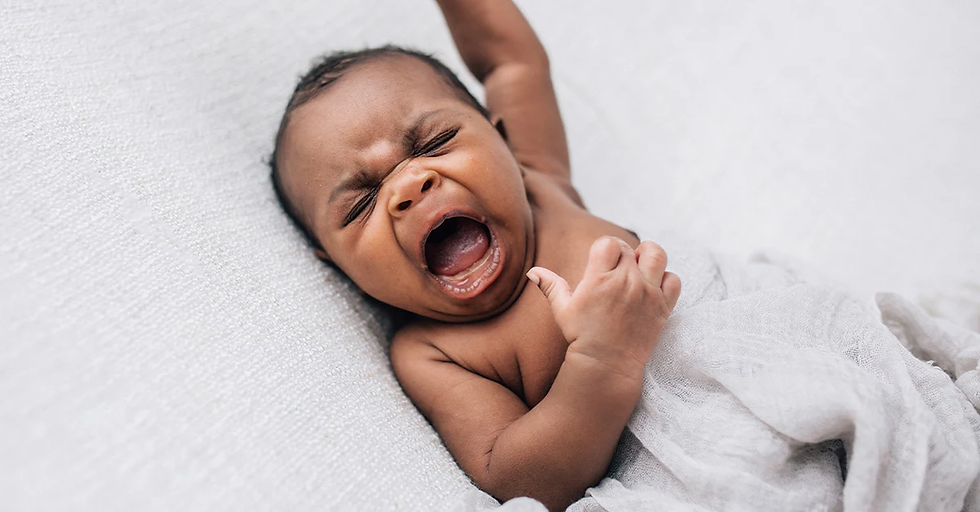
These signals may include:
· Intense crying
· A stiff body
· Clenched fists
· Turning the head away repeatedly
· Forceful kicking
· Pulling the arms and legs inward
· Rapid breathing
· Becoming very red or pale
· Appearing overwhelmed or distressed
When these cues appear, stop the massage immediately.
Comfort your baby, acknowledge their feelings, and try again another day.
Massage should never be forced. It should always be an invitation built on trust and mutual communication.
Why Following Baby’s Cues Matters

Research continues to show that responsive caregiving supports healthy attachment, emotional regulation, and brain development.
When parents consistently recognize and respond to their baby’s cues, babies learn an important life lesson:
“My needs are understood. I am safe. Someone is listening to me.”
This sense of security becomes the foundation for confidence, resilience, and healthy relationships throughout childhood.
Infant massage provides a beautiful opportunity to practice this responsive communication every day.
A Philosophy That Goes Beyond Massage
At Baby Wellness Massage, we believe every baby deserves to be heard and respected.
Massage is not about performing a perfect routine or completing every stroke. It is about creating moments of connection, trust, and love.
When we follow our baby’s cues instead of asking them to follow ours, we strengthen our relationship in ways that extend far beyond massage.
As I often tell the families I work with:
“During the first year of life, the baby is the King or Queen. They lead, and we lovingly follow.”
And perhaps the most important lesson of all is this:
“Listen to your baby’s body language. A successful massage isn’t measured by how many strokes you complete—it’s measured by how safe, relaxed, and connected your baby feels.”


Comments